
Short answer: the garage door doesn't go away just because you stopped parking in there. It still sits in that wall, still has to deal with San Antonio heat and storms, and if you ignore it, it becomes the weak point in your new room. You have three real choices — keep it fully functional, replace it with something built for comfort, or frame it in permanently — and the right one depends on how you'll actually use the space and whether you ever plan to sell.
Why the Door Doesn't Just Disappear
When a garage becomes a bedroom, home gym, or workshop, people tend to think about flooring, drywall, and outlets — and forget that one whole wall of the room is still a giant moving metal panel. That panel was designed to keep out rain and give you access for a car, not to keep a room at a comfortable temperature or block outside noise and dust.
A standard non-insulated steel door does almost nothing to stop summer heat from radiating into the space. On a 100-degree July afternoon, the inside surface of that door can get hot enough to make the room next to it uncomfortable for hours after sunset. Dust and wind-driven grit also work their way in around the edges of an older door, which matters a lot more once you're storing gym equipment, electronics, or finished woodworking inside instead of a car that can handle a little dust.
What Actually Changes Day to Day
- Temperature swings get worse, not better, unless you address insulation specifically at the door.
- Humidity and condensation can become an issue on the inside of an uninsulated panel, especially after a cold snap followed by warm, humid air — more common in the ice-and-freeze stretches some winters bring.
- Noise from wind and hail carries straight through a standard door; a severe spring or summer storm will sound like it's happening inside the room.
- Pests find the gaps around an aging door more easily once there's climate-controlled air and food (protein bars in a gym bag count) on the other side.
The Three Real Options
1. Keep It Fully Functional
Some homeowners want to preserve the option to convert the room back to a garage later, or they still use the space for overflow parking occasionally. In this case, the move is to upgrade to an insulated door and make sure the weatherstripping and seals are in excellent shape. This keeps resale flexibility — buyers who want garage space back can have it — but it's the least efficient option for comfort since even a good insulated door isn't as airtight as a framed wall.
2. Replace With an Insulated, Sealed Door
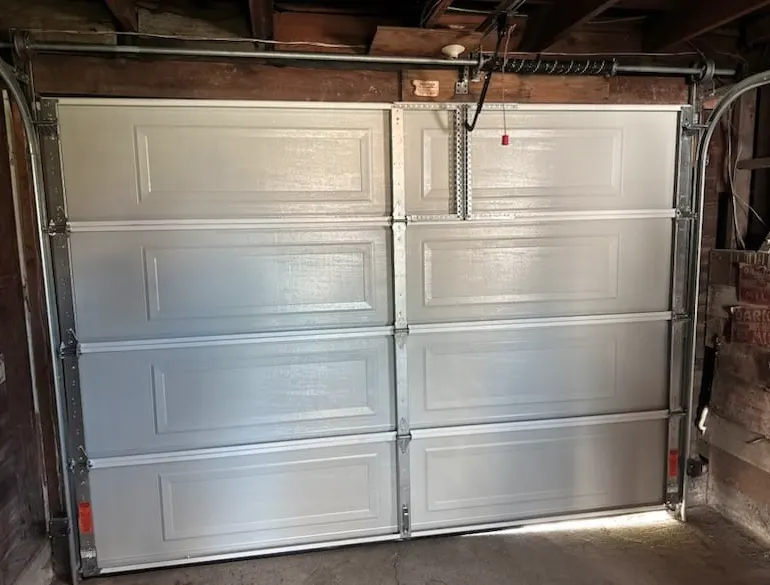
This is the middle ground and probably the most common choice. An insulated garage door with a tight seal dramatically cuts down on heat transfer and dust infiltration while still looking like a garage from the street — which matters for curb appeal and resale, since an obviously converted garage can turn off buyers who want parking. The door still opens, so you keep flexibility, but day-to-day comfort is much closer to the rest of the house.
3. Frame In the Opening Permanently
If there's zero chance you'll ever want a car back in that space, framing in the opening with a real insulated wall and a window or door of normal size is the most comfortable and energy-efficient option. The tradeoff is cost and permanence — and it can affect resale value in a market where buyers specifically search for homes with garage space. This is the option that ends most spousal arguments one way or the other, because it's hard to undo.
The Resale Argument, Settled Plainly
If there's any realistic chance you'll sell within the next several years, keeping a functional garage door — even an upgraded, insulated one — protects your options. Buyers searching listings often filter specifically for garage space, and a converted room that still looks like a garage door from the street keeps you in more search results than a permanently framed-in wall. If you're staying long-term and have no interest in ever parking a car there again, framing it in is the more comfortable, efficient choice.
When to Call San Antonio Garage Door Service
If you're planning a garage conversion — or you've already finished one and the room gets uncomfortably hot, drafty, or noisy during storms — it's worth having the door assessed before you assume the fix is more insulation inside the room. We handle Garage Door Installation for homeowners upgrading to insulated doors as part of a conversion, and Garage Door Maintenance & Tune-Up for sealing and weatherstripping on doors you're keeping functional. We'll tell you honestly whether your existing door and opener are worth keeping as-is, upgrading, or replacing — no upsell, just a straight answer based on what's actually happening with your specific door.
If you're mid-argument about what to do with your garage conversion in San Antonio, Schertz, Converse, Live Oak, Selma, Universal City, New Braunfels, or Boerne, give San Antonio Garage Door Service a call. We'll look at the door, explain your real options, and help you settle it with facts instead of guesses.